Are you washing your hair the right way?
Many people believe that just shampooing is enough, and that conditioner is optional or unnecessary. But at the same time, others end up using too many products, hoping for better results.
Somewhere between doing too little and doing too much, the basics get overlooked.
So instead of complicated routines, let's get back to what really matters — how you shampoo and condition your hair.
First Things First: Your Scalp Needs More Attention Than Your Hair
This is where almost everyone goes wrong.
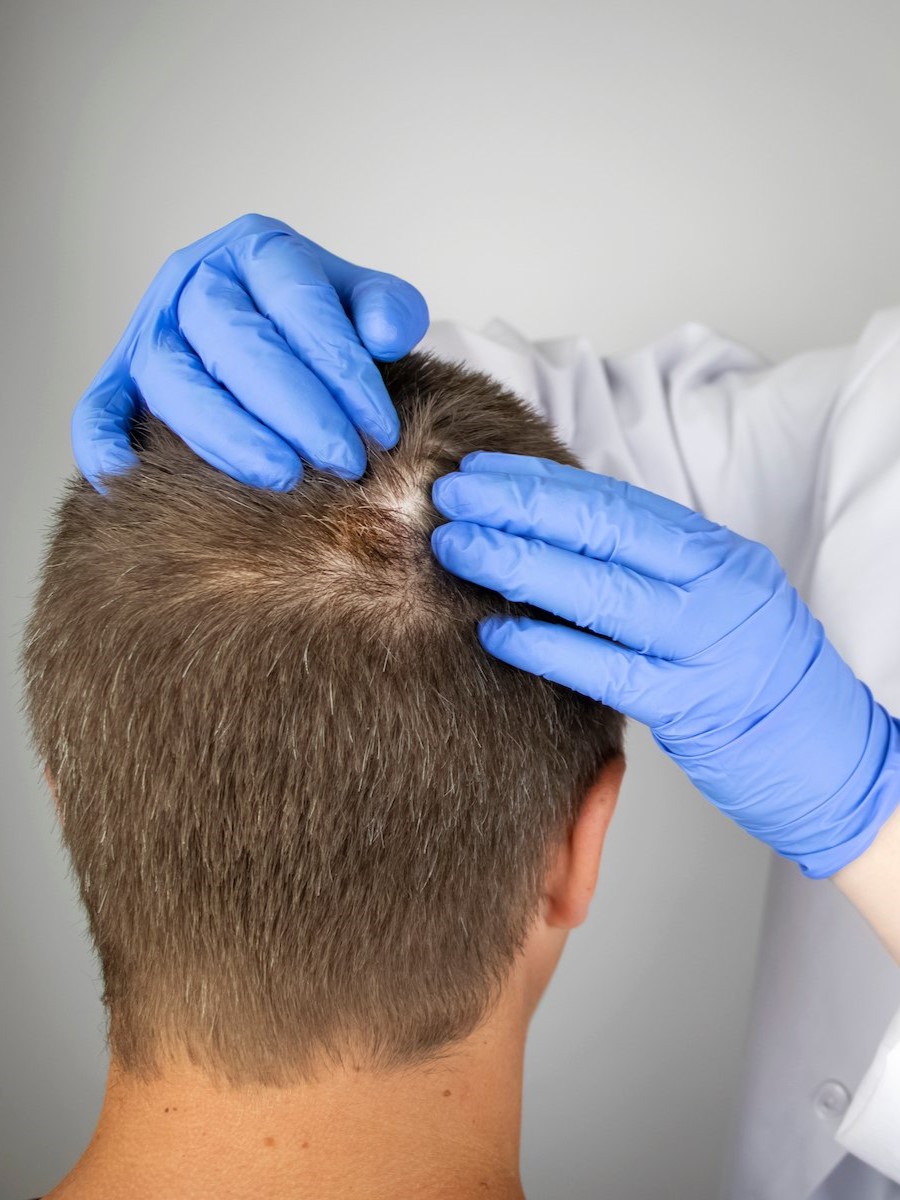
We focus on the hair we see — the length, the ends, the frizz. But healthy hair actually starts at the scalp. The scalp deals with oil, sweat, and product buildup. And when this is not cleaned properly, your hair starts looking greasy, dull, and lifeless.
So, how should you actually use shampoo?
Most people either rush through it or overdo it. Start by wetting your hair. Take a small amount, dilute slightly with water, and apply to the scalp — not your ends. Use your fingertips to gently massage without scratching or being aggressive.
As you rinse, the foam will naturally pass through the lengths, which is enough to clean them. Avoid piling your hair on top of your head and scrubbing it — this creates unnecessary tangling and can lead to breakage.
How often should you wash your hair?
There's no single rule for everyone. If your scalp gets oily quickly, you might need to wash more often — but stick to a gentle shampoo instead of very foamy, harsh ones. If your scalp feels dry, you can wash less frequently. For most people, 2–3 washes a week is just right. Too much washing can dry out your hair and too little can lead to buildup of sweat, oil, and dust.
The Most Ignored Step: Conditioner
After shampooing, your hair is left slightly rough. The outer layer (cuticle) is not as smooth, which is why hair suddenly feels frizzy or difficult to manage.
Conditioner is what brings everything back to normal.
It smoothens the surface, reduces friction between strands, and makes your hair easier to detangle and manage. Over time, this actually helps reduce breakage.
Conditioner should always be applied to the hair lengths, not the scalp.
The most commonly used type is a regular or instant conditioner. This is applied to wet hair after shampooing, left on for a couple of minutes, and then rinsed off. It helps smoothen the hair, reduce frizz, and make it easier to manage.
There are also leave-in conditioners, which are applied after washing and not rinsed out. These help retain moisture, add softness, and provide ongoing protection to the hair.
Straight hair usually needs lighter conditioning, while curly and wavy hair needs extra conditioning and moisture. Leave-in conditioners are especially beneficial for curly and wavy hair to help reduce frizz, maintain hydration, and improve manageability.
Pro tip: You might have heard of reverse shampooing — this involves applying conditioner first, followed by shampoo. The idea is that the conditioner creates a light protective layer over the hair, reducing potential cuticle damage during cleansing.
Final Thought
Before you invest in another product, fix your technique. Because most hair doesn't need more care — it just needs better care.