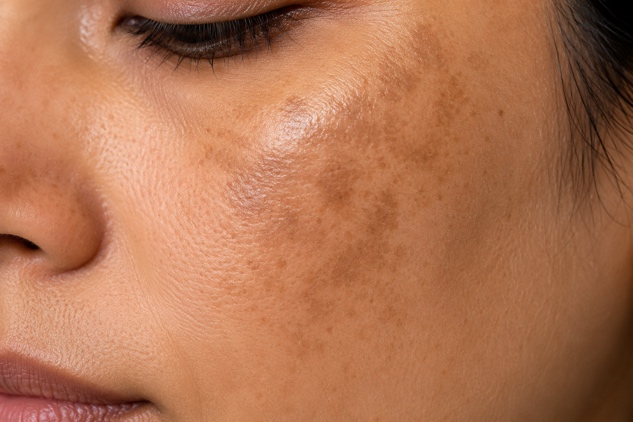
Have you noticed brown patches gradually appearing on your face that just don't seem to fade? You may be dealing with melasma, one of the most common causes of facial pigmentation. It affects both women and men, though it is seen far more often in women. It isn't harmful to your health, but it can be frustrating because it often deepens over time and tends to recur.
Melasma appears as flat brown to greyish-brown patches, most commonly over the cheeks, forehead, bridge of the nose, upper lip, and chin. The pigmentation usually develops slowly and is often symmetrical, affecting both sides of the face. Unlike many other skin conditions, melasma does not cause itching, pain, redness, or changes in skin texture — the only noticeable change is the color of the affected areas.
Many people mistake melasma for tanning or assume the pigmentation will fade on its own. Unfortunately, that's usually not the case. Melasma is a chronic condition — it tends to persist and may become darker or lighter depending on various triggers. It is harmless and not contagious, but it can take a real toll on self-confidence and quality of life.
What Causes Melasma?
Melasma develops when the cells responsible for producing melanin — the pigment that gives our skin its color — become overactive. The exact cause varies from person to person, and often more than one factor is involved. Excessive sun exposure is the most common trigger, since ultraviolet rays stimulate pigment production. Hormonal changes during pregnancy, birth control pills, certain medications, genetics, thyroid disorders, and even heat can also play a role. This is why some people develop melasma despite taking good care of their skin, while others exposed to similar conditions never do.
Why It Can Be Tricky to Treat
One reason melasma is challenging to treat is that the pigment can sit at different depths within the skin. In some people it is mainly superficial and responds well to treatment, while in others it extends deeper, making improvement slower. This is why a treatment that works well for one person may not produce the same results in another.
Sun Protection Comes First
Successful treatment begins with protecting the skin from further pigmentation. Daily use of a broad-spectrum sunscreen is essential, even on cloudy days or when spending time indoors near windows. Wearing a wide-brimmed hat, seeking shade whenever possible, and avoiding unnecessary sun exposure during peak hours can make a significant difference. Sunscreen alone won't remove existing pigmentation, but without it, most treatments are far less effective.
Treatment Options
Treatment is tailored to the individual's skin type, the depth of pigmentation, and the severity of melasma. Depending on these factors, your dermatologist may prescribe creams that reduce pigment production or increase skin cell turnover, using ingredients such as:
- Hydroquinone
- Azelaic acid
- Kojic acid
- Tranexamic acid
- Retinoids
- Niacinamide
- Vitamin C
- Cysteamine
These may be used alone or in combination. For selected patients, procedures such as chemical peels, laser toning, microneedling, or oral medications may be recommended to achieve better results. Since melasma behaves differently in every individual, there is no single treatment that works for everyone.
The Risk of Self-Medication
One of the biggest mistakes people make is buying pigmentation creams directly from a pharmacy or using products recommended by friends, relatives, or social media influencers. Many over-the-counter creams marketed for fairness or pigmentation contain strong steroids or fixed drug combinations. While these may temporarily lighten the skin, prolonged use without medical supervision can thin the skin, trigger acne, increase facial hair growth, make tiny blood vessels more visible, and even cause a type of stubborn pigmentation that is far harder to treat than the original melasma. Self-medication often delays proper treatment and can sometimes cause permanent skin damage.
Be Patient — Melasma Takes Time
Melasma cannot be treated overnight. Improvement is usually gradual and may take several weeks or months. Stopping treatment too early or frequently switching products because of slow results often leads to disappointment. Regular follow-up with your dermatologist helps monitor progress, adjust treatment when needed, and reduce the chances of recurrence.
When to See a Dermatologist
If you notice persistent dark patches on your face that don't improve despite regular skincare, avoid experimenting with multiple creams or home remedies. An early consultation with a dermatologist can help identify the cause of your pigmentation and provide a treatment plan that's safe, effective, and tailored to your skin.
Final Thought
With patience, consistent sun protection, and the right medical guidance, melasma can be effectively controlled — helping you achieve healthier, more even-toned skin.